Why this sample
Freight teams track trucks in one tool, orders in another and customer emails in a third. When a load runs late, someone finds out from the customer. Pulling this into one platform, for staff and customers, is Platform-tier work: many data feeds, many users, and data that must stay separate per customer.
This is a sample build. There is no client, and nothing here is a result from a real company.
What it does
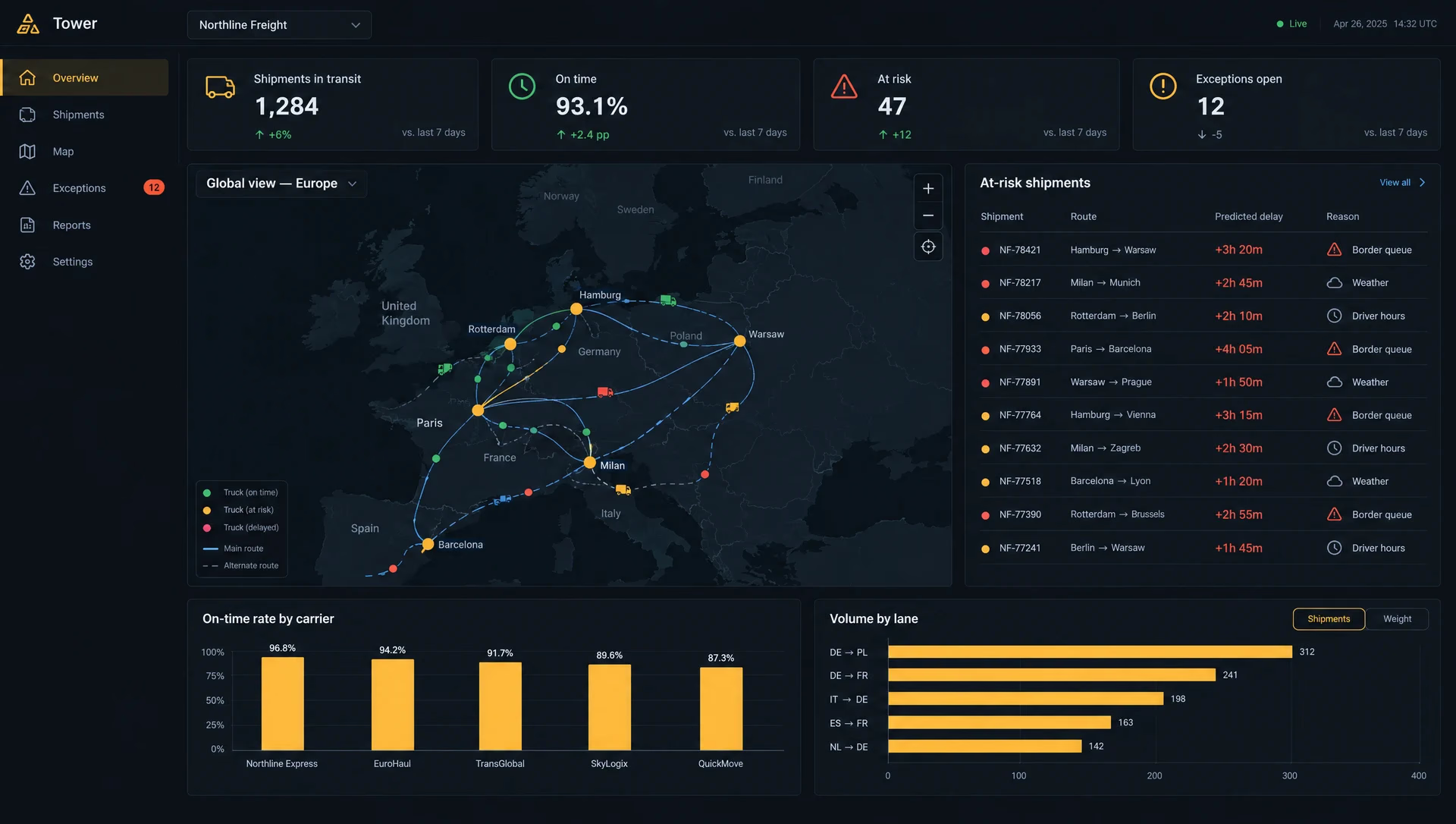
- Shows all shipments live on a map, with the on-time rate by carrier and lane.
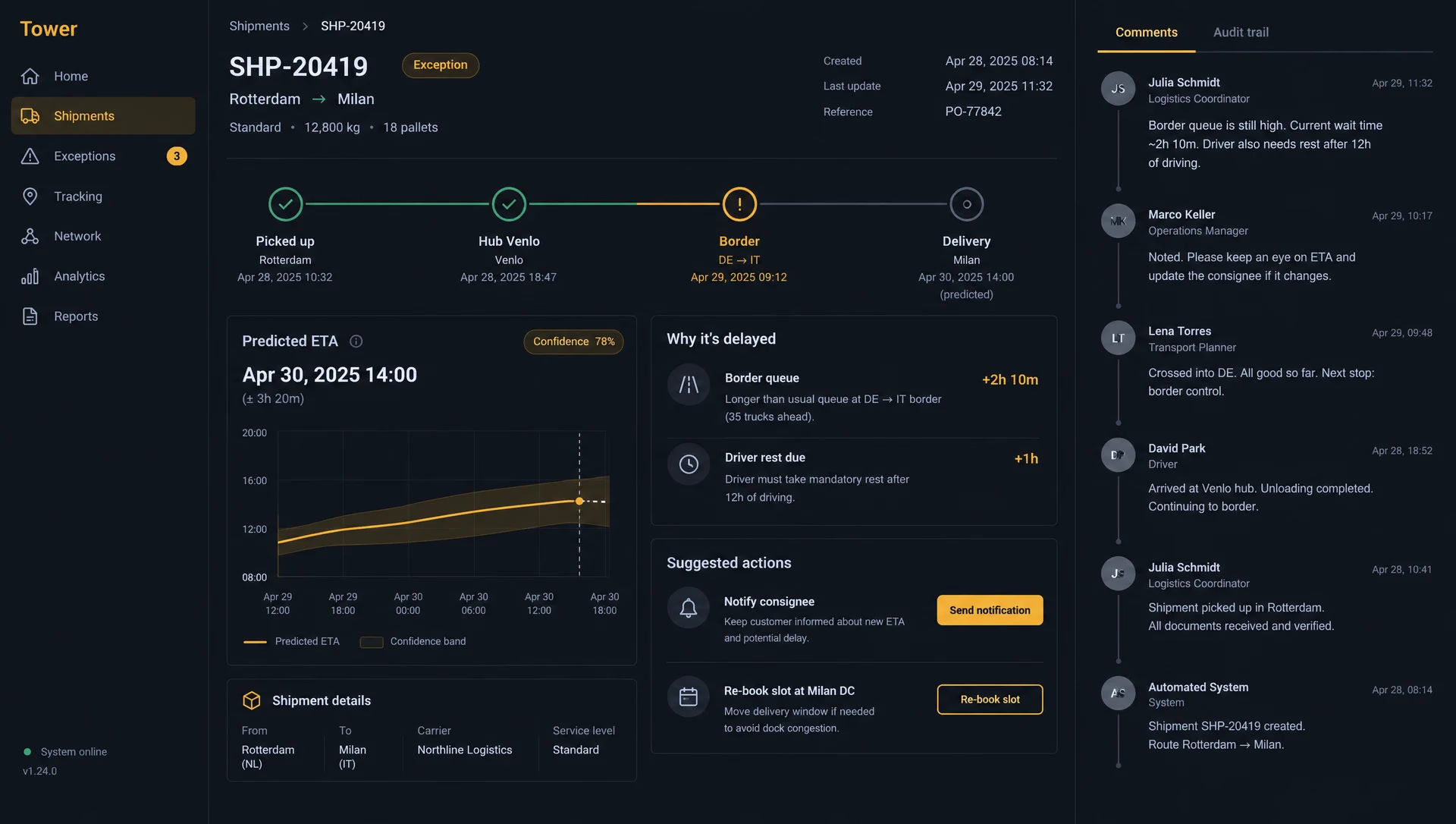
- Predicts a delay for each shipment and says why: border queue, weather, driver rest time.
- Opens an exception with suggested actions and a shared comment thread.
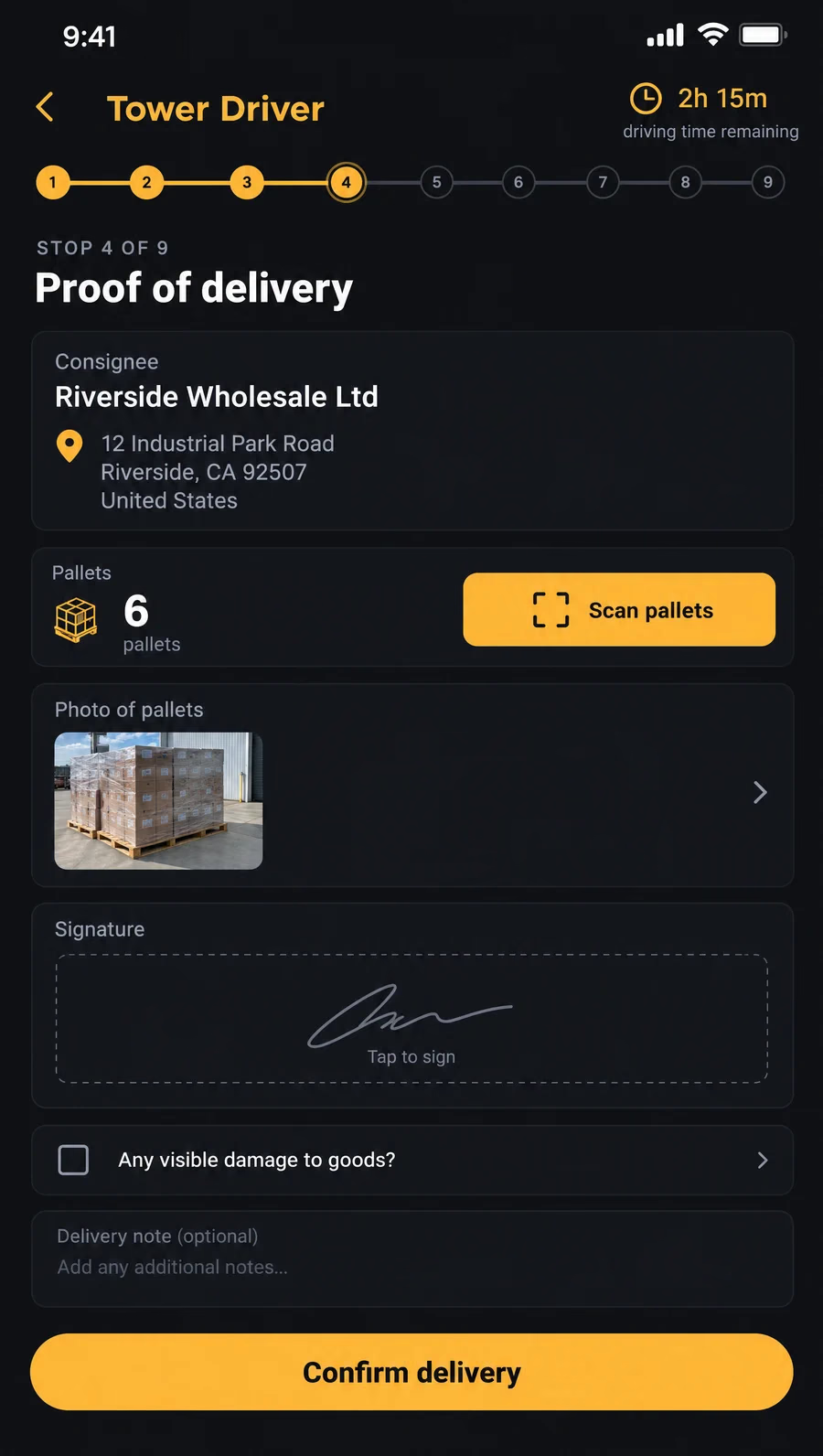
- Gives drivers an app for stops, scans, photos and signatures.
- Gives each customer a portal with only its own shipments.
The AI part
The delay prediction is a classic model trained on past trips, not a language model. It gives a time and a range, and it is checked every week against what really happened. A language model writes the short reason text and drafts the message to the customer. A person sends it.
Where it stops
No route optimisation and no billing. Both fit on top of this platform as later phases.
Timeline
| When | What happened |
|---|---|
| Weeks 1 to 4 | Tenancy and roles, telematics and carrier feeds, shipment model, live map. |
| Weeks 5 to 8 | Delay model on past trips, at-risk list, exception workflow, driver app with proof of delivery. |
| Weeks 9 to 12 | Customer portal, alerts, load tests, audit log, security review, handover. |