The problem
Most nutrition apps count calories and stop there. People who get blood work done see numbers like ferritin or vitamin D, and nothing tells them what to eat about it. Logging every meal by hand is also the main reason people quit these apps in the first weeks.
What we built
- A phone app for iOS and Android, in English and Serbian.
- Lab report upload: take a photo or upload a PDF, and the app pulls out the biomarkers.
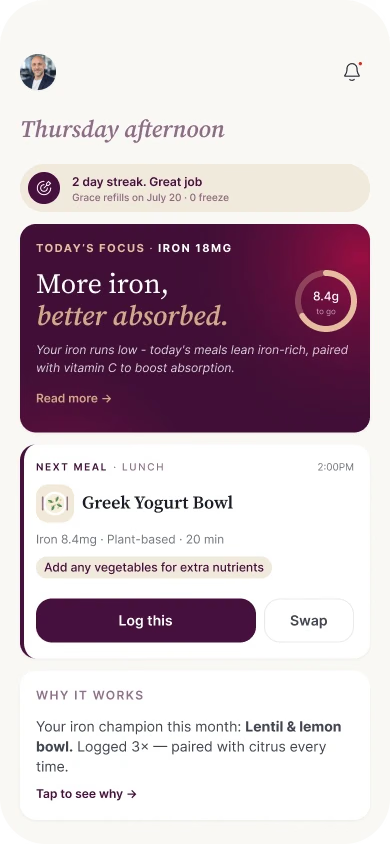
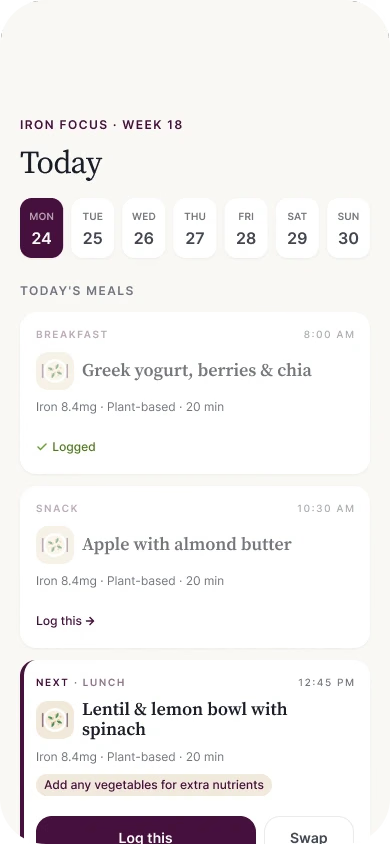
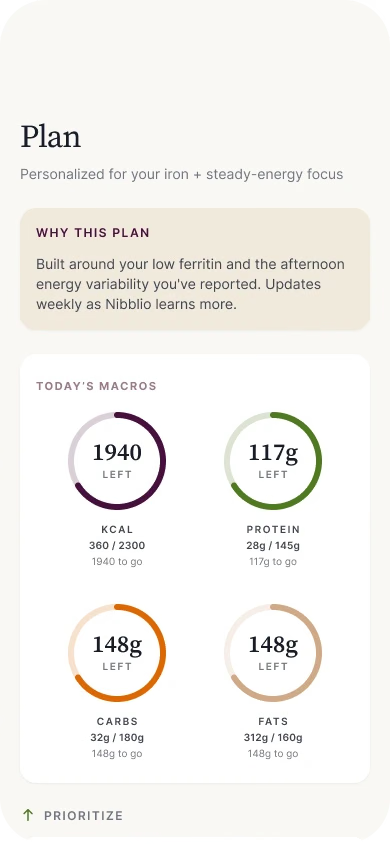
- A weekly meal plan and a shopping list built around the person’s focus, for example iron.
- Four ways to log a meal, each a few seconds: text, a usual meal, a photo, or voice.
- Habit support: a forgiving streak, a daily next step, a weekly wrap and weekly goals.
- A backend of thirteen services behind one gateway, with test and production environments and automatic deploys.
The AI part
AI does four jobs, and each one has a limit.
- Lab reports. A model reads a photo or PDF of the report and returns the biomarkers as structured data, which the person confirms.
- Meal logging. Text, photo and voice logs become meals with nutrients. Voice is turned into text on the phone; no recording leaves the device.
- Insights. The cause-and-effect findings (“you have steadier energy on days you eat breakfast early”) come from plain statistics on the person’s own logs, with a check against false positives. The model only rewrites a finding into friendly words. It does not invent findings.
- Plans. A model drafts the weekly plan from the person’s focus, goals and allergies, and the app says why each meal is there.
Before launch we wrote a data protection impact assessment for each sensitive feature (photo, voice, health import, cohorts) and signed a data processing agreement with the model provider.
Where it is now
Nibblio is in a closed beta on TestFlight and the Google Play test track. The public site at nibblio.ai has a waitlist. We do not publish user numbers until there are real ones to publish.
Why it is here
It is our own product, labelled as such. It shows the kind of consumer app we build: a phone app people use every day, a real backend, AI with limits, and the privacy work that health data needs. It is not a client reference, and we do not present it as one.