Why this sample
At a busy till, returns are slow. Staff look up the policy, call a manager for odd cases, and type the reason into a free text box that nobody reads again. A small tool that checks the rules and sorts the reasons is a clean Feature-tier job: one screen for staff, one report for managers.
This is a sample build. There is no client, and nothing here is a result from a real company.
What it does
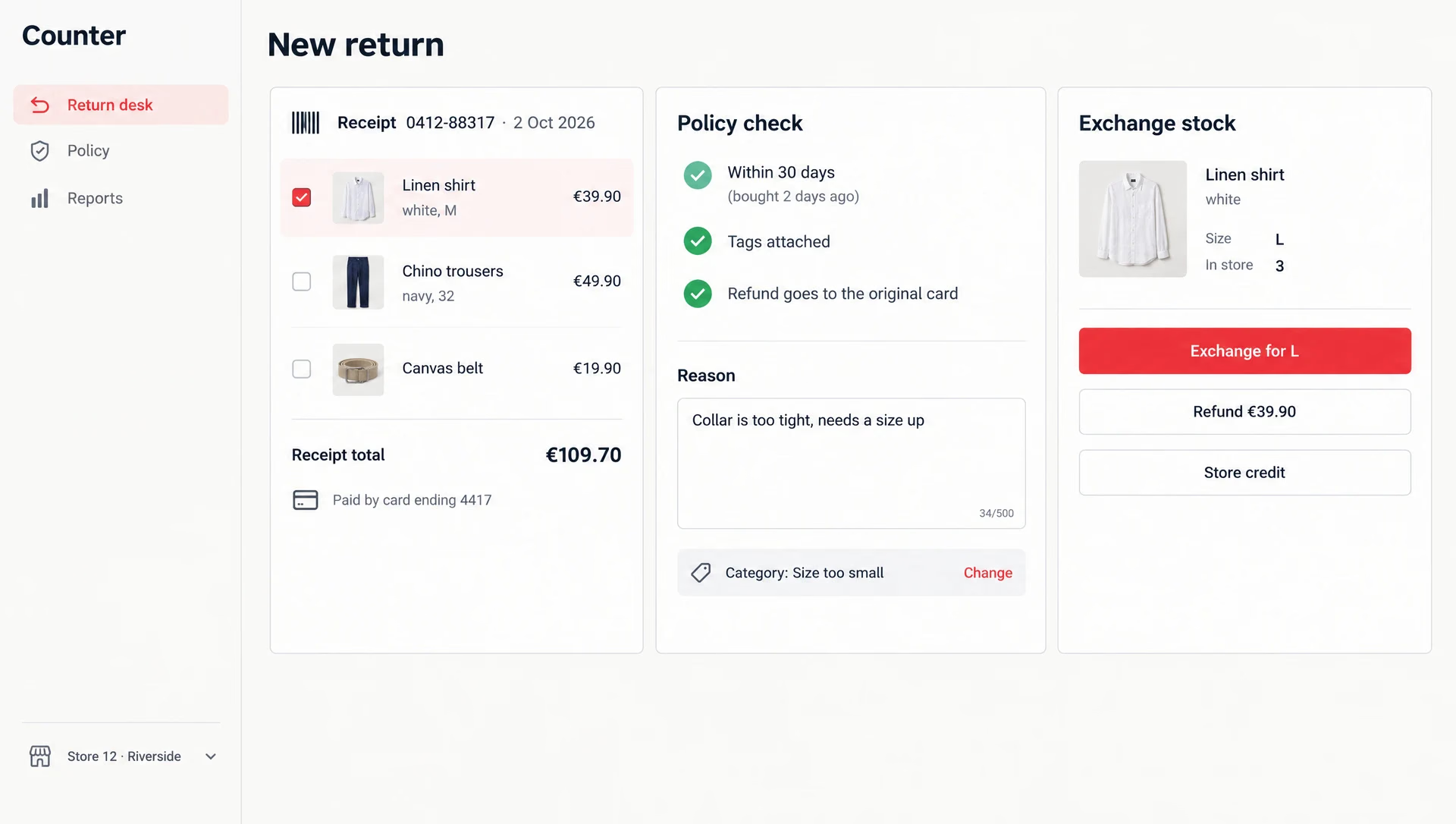
- Scans a paper receipt or finds an online order by number or email.
- Checks each item against the returns policy: the time window, sale items, excluded goods.
- Offers a refund to the original payment, an exchange or store credit, with stock for the swap.
- Sorts the customer’s reason into a fixed category, so the reasons can be counted.
- Asks for a manager PIN above the refund limit.
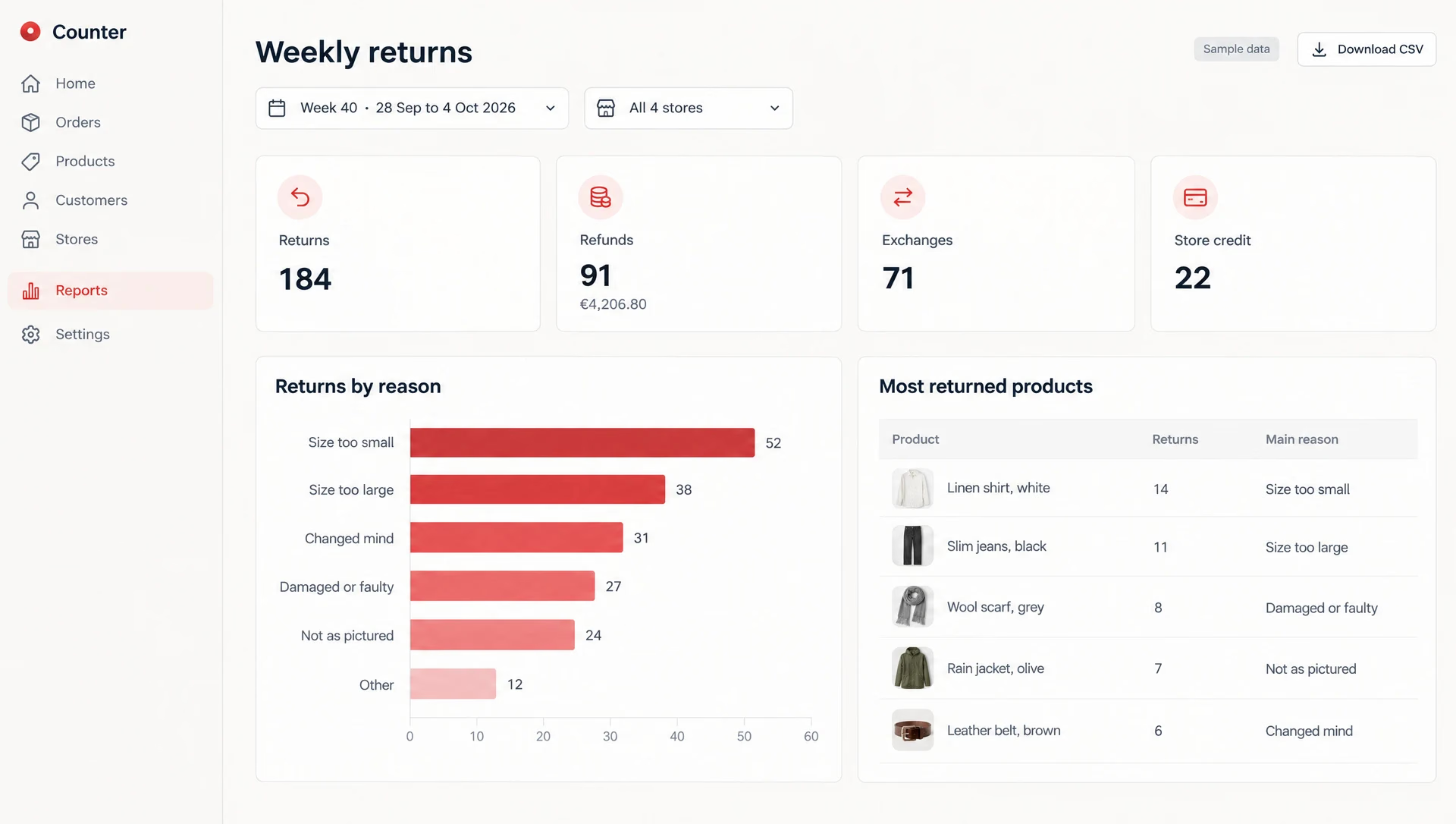
- Sends managers a weekly report of returns by reason, product and store.
The AI part
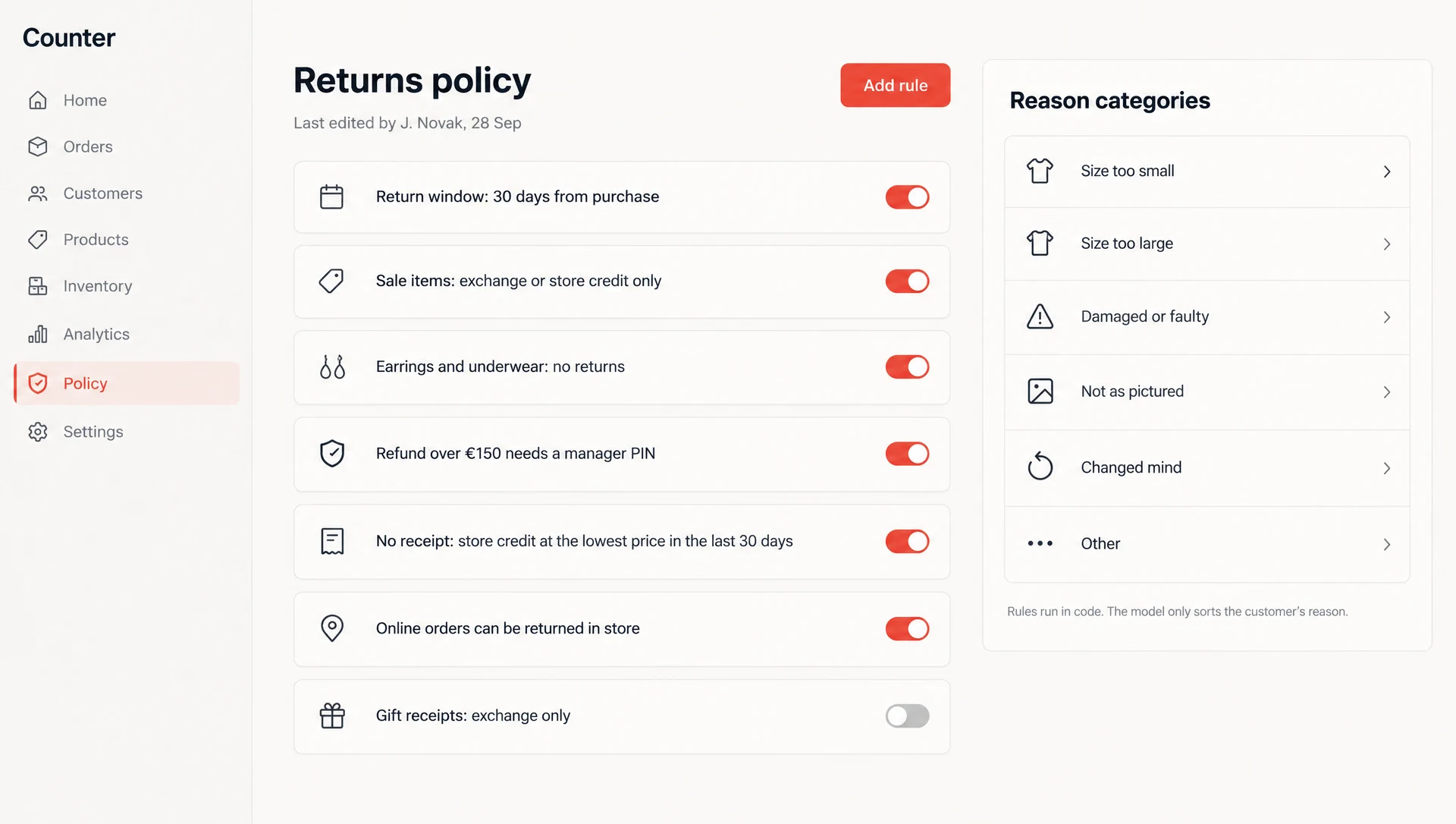
The model reads what the customer said, as typed by staff, and picks one category from a fixed list: size too small, size too large, damaged, not as pictured, changed mind, other. That is all it does. It never decides if a return is allowed and never sets the amount. The policy check and the refund run in code, through the till system.
Staff see the category and can change it with one tap. If the model is unsure, it picks Other, and the return shows up in the weekly review. We would test it on 200 written reasons labelled by hand and count how often it picks the right category.
Where it stops
No fraud scoring and no changes to the till itself. Refunds still go through the existing till system. Fraud flags are a later step, and they need real return history first.
Timeline
| When | What happened |
|---|---|
| Week 1 | Receipt and order lookup through the till and shop APIs, the return desk screen, policy rules in code. |
| Week 2 | Refund and exchange flow, reason categories, a test set of 200 written return reasons. |
| Week 3 | Weekly report, manager PIN above the refund limit, a one-store pilot, runbook and handover. |